Spotting Exaggerated Weight-Loss Marketing Claims
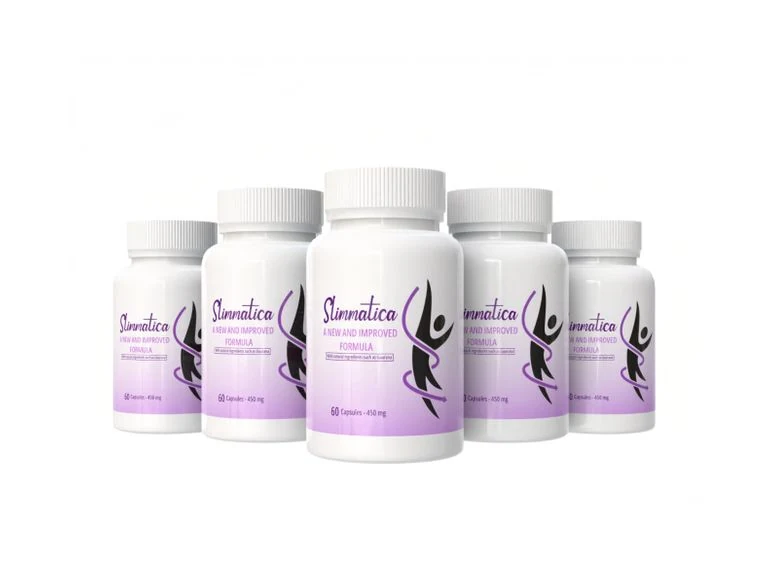
While researching Slimmatica, we found marketing claims that are not scientifically supportable, including that the capsules induce ketosis within 24 hours.
Understanding why these claims do not hold up, and recognizing the broader pattern, helps you evaluate weight-loss marketing more critically.
The claim we found, and why it does not hold up
Marketing for this product claimed the capsules drive the body into ketosis within the first 24 hours of intake. This is not how ketosis works. Ketosis is a metabolic state the body enters after several days of significant, sustained carbohydrate restriction (typically to roughly 20 to 50 grams of carbohydrates daily), which causes the body to shift toward burning fat for fuel. It requires a deliberate, ongoing dietary change — not a capsule, gummy or drink. General background on how ketosis genuinely works is available from Harvard's T.H. Chan School of Public Health.
Other red flags in the same marketing
Why this pattern is common
Some affiliate marketing sites cover dozens of unrelated supplement categories using the same template, writer byline, and structure for every product — swapping in a new product name and a plausible-sounding but unverified expert and set of statistics each time. This is a sign of volume-driven content production, not product-specific research.
How to protect yourself
Be skeptical of any weight-loss claim that promises a fast, dramatic, physiologically specific outcome (like “ketosis in 24 hours”) from a supplement alone. Look for whether cited experts, studies, and awards can actually be verified independently. And remember that genuine, sustainable weight management involves diet and activity changes that no capsule can substitute for.
Applying this to Slimmatica
See what Slimmatica is for how we handled this specific discrepancy, or our complete review for the full picture.